# Prediction Markets Face Uncertain Supreme Court Future as Circuit Split Emerges
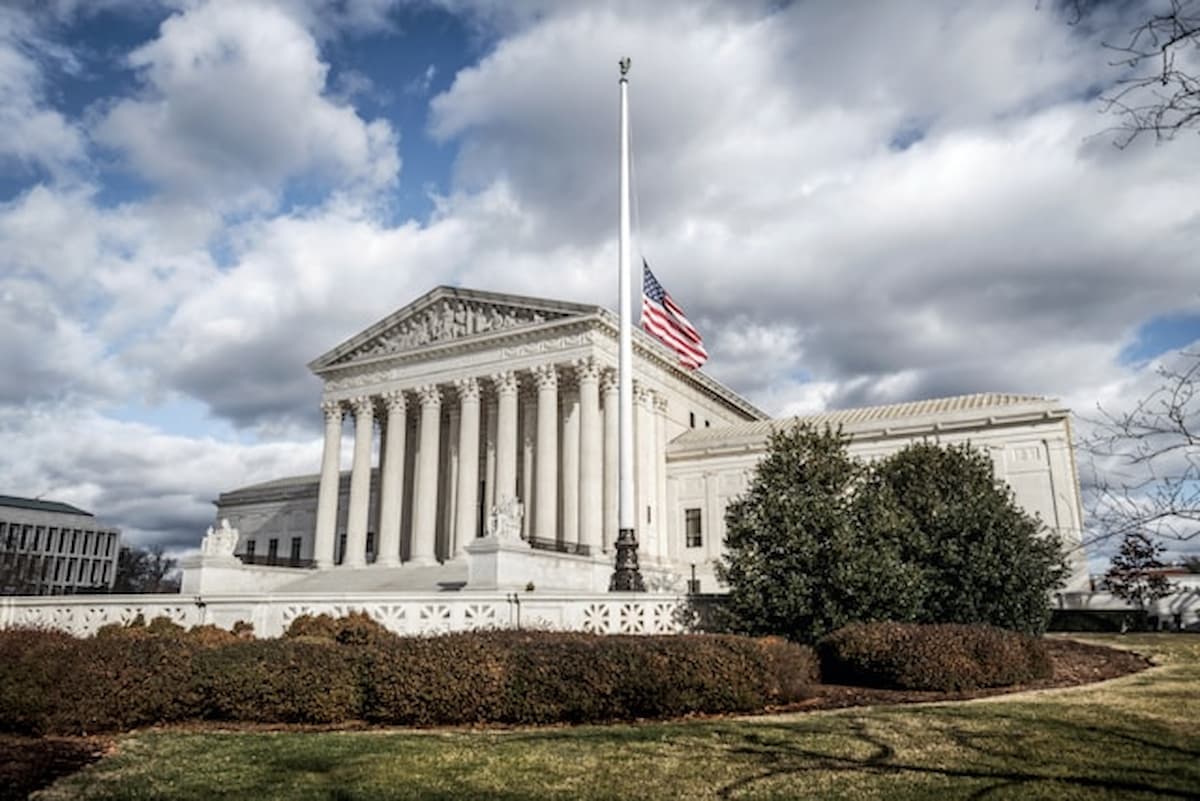
The prediction market industry confronts a critical juncture after the Ninth Circuit Court of Appeals unanimously ruled against Kalshi, the derivatives platform seeking to offer event futures. The decision creates a direct conflict with the Third Circuit, which previously sided with Kalshi. This Circuit split virtually guarantees the case reaches the Supreme Court, where the stakes for poker and the broader gaming industry run deep.
Kalshi has fought for the right to offer prediction markets on real-world events. The company challenged the Commodity Futures Trading Commission's ban on such products, arguing the agency lacked authority to block them. The Third Circuit agreed with Kalshi's position, but the Ninth Circuit's unanimous reversal means federal courts now offer contradictory guidance on the same legal question. That contradiction typically triggers Supreme Court intervention.
The poker world watches this case closely because prediction markets and poker occupy overlapping regulatory space. Both involve wagering on uncertain outcomes. Both face CFTC oversight and state-by-state legal complexity. A Supreme Court ruling that clarifies federal authority over prediction markets could reshape how regulators treat all forms of gaming, including poker. If the Court sides with Kalshi, states and the federal government lose control over prediction markets. If the Court supports the CFTC, regulatory barriers remain in place.
Polymarket, the prediction market platform operating offshore but accessible to U.S. users, immediately capitalized on the legal drama. The platform opened a market on whether the Supreme Court will grant certiorari in the Kalshi case. Polymarket's market priced the odds at 52 percent as of the reporting date, indicating genuine uncertainty about whether the nation's highest court will hear oral arguments.
That market itself demonstrates the stakes. Polymarket operates in legal gray areas because the CFTC has targeted prediction markets as illegal, unregistered derivatives contracts. If Kalshi wins at the Supreme Court, Polymarket and similar platforms gain regulatory clarity and potential legitimacy. If Kalshi loses, the CFTC's enforcement authority strengthens, and offshore platforms face tighter restrictions on American access.
The Third Circuit's previous ruling sided with Kalshi on technical grounds, arguing the CFTC overstepped by blocking markets on geopolitical events and sports outcomes. The Ninth Circuit disagreed, upholding the CFTC's regulatory power. For the Supreme Court to take the case, four justices must vote to grant certiorari. That threshold remains uncertain, though the Circuit split alone provides strong grounds for review.
Poker operators and daily fantasy sports companies follow this litigation closely. The regulatory framework governing prediction markets directly impacts how courts might treat poker platforms and skill-based gaming more broadly. States currently regulate poker rooms independently. A Supreme Court decision clarifying federal authority over event-based wagering could trigger a wave of new legislation, either protecting or restricting online and live poker operations.
Kalshi's legal team must file a petition for certiorari within ninety days of the Ninth Circuit's decision. The Supreme Court typically issues decisions on certiorari petitions months later. Even if the Court grants review, oral arguments and a final ruling could take over a year. Until then, prediction markets operate in limbo, and Polymarket's 52 percent odds reflect genuine legal uncertainty about the industry's future.