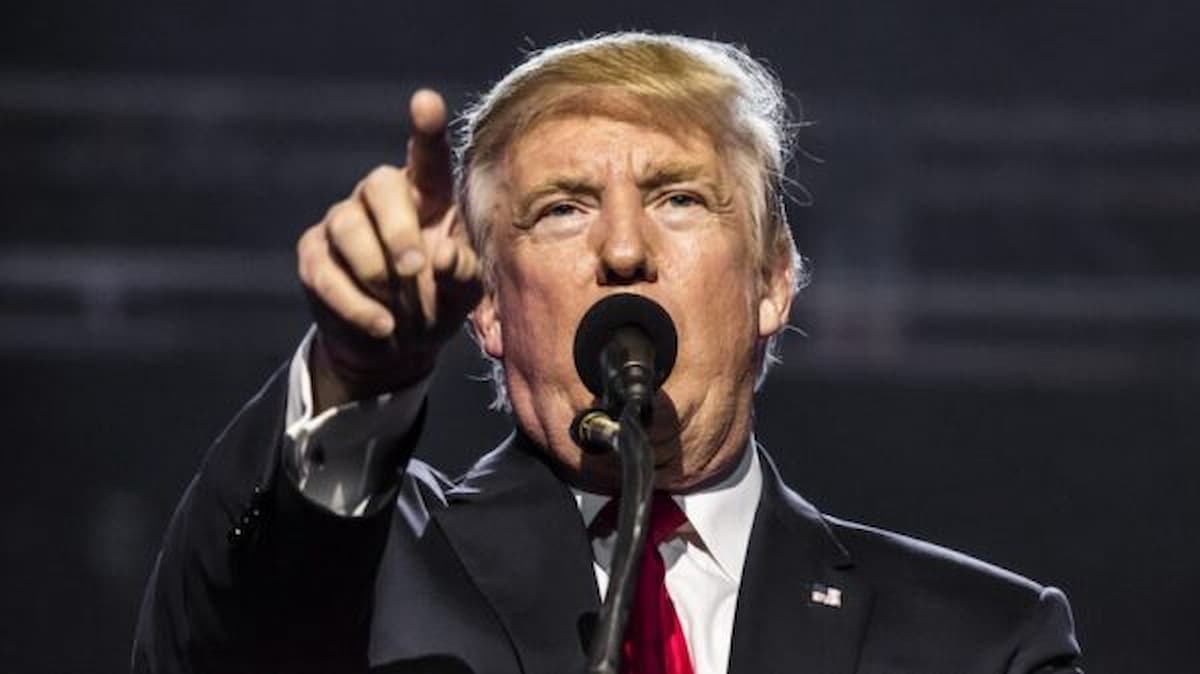
The Commodity Futures Trading Commission levied a $65,000 fine against Gabriel Perez, former teleprompter operator for President Donald Trump, for trading on prediction markets at Kalshi based on advance knowledge of Trump's speech content. Perez must forfeit approximately $100,000 in trading profits and faces a three-year ban from trading these contracts.
The case centers on Perez's access to Trump's prepared remarks before public delivery. Kalshi operates as a CFTC-regulated event derivatives platform, offering contracts tied to outcomes like political statements, economic data, and other verifiable events. Perez exploited his position handling Trump's teleprompters to gain information advantage over other traders, placing bets on what the president would say during scheduled speeches.
This enforcement action reveals a gap in market integrity controls around prediction markets and event derivatives. Kalshi has gained prominence as the leading regulated platform for betting on real-world events, filling demand for alternative wagering beyond traditional sports and casino gambling. The platform operates under CFTC oversight as a Designated Contract Market. Its growth has attracted mainstream attention and venture capital, positioning event derivatives as an emerging asset class.
The violation falls under insider trading rules adapted for derivatives markets. Federal regulations prohibit trading on material nonpublic information. Perez possessed exactly that. Information about presidential remarks before they reached the public gave him a direct edge. Other traders on Kalshi operated blind to content Perez already knew. This destroyed market fairness and information integrity.
The three-year trading ban carries real weight. Perez loses access to event derivative markets during that period. The $100,000 profit forfeiture eliminates any financial incentive from the scheme. The $65,000 fine adds direct penalty. Combined, the enforcement package sends a clear message that CFTC will police information asymmetries in prediction markets with teeth.
The case also raises questions about employment agreements and information firewalls at political operations. Trump's campaign should have implemented strict policies preventing staff with advance text access from trading on outcomes related to that information. The absence of such safeguards allowed Perez to act. Future high-access political staffers will face increased scrutiny from regulators and employers alike.
Kalshi's growth depends on trader confidence that markets operate fairly. Single-case manipulation does not destroy that, but repeated violations would. The platform benefits from regulatory action against bad actors. Each enforcement reinforces that Kalshi maintains standards and does not tolerate insider trading. This protects legitimate traders and attracts new volume.
The broader implication extends beyond Trump's organization. Any high-access individual working with public figures, corporate boards, or government agencies could theoretically exploit advance knowledge on Kalshi or similar platforms. The CFTC has now made clear such trades trigger investigation and penalty. Corporate compliance departments will incorporate event derivative trading restrictions into insider trading policies. Government employees already face strict restrictions. Political campaigns will scramble to implement similar guardrails.
Kalshi itself faces no enforcement here. The platform correctly reported suspicious trading activity. Regulators credited this cooperation. The company's willingness to surface potential violations demonstrates the compliance infrastructure works when participants act responsibly.
This case marks an early test of prediction market integrity as these platforms mature and attract larger trading volumes.