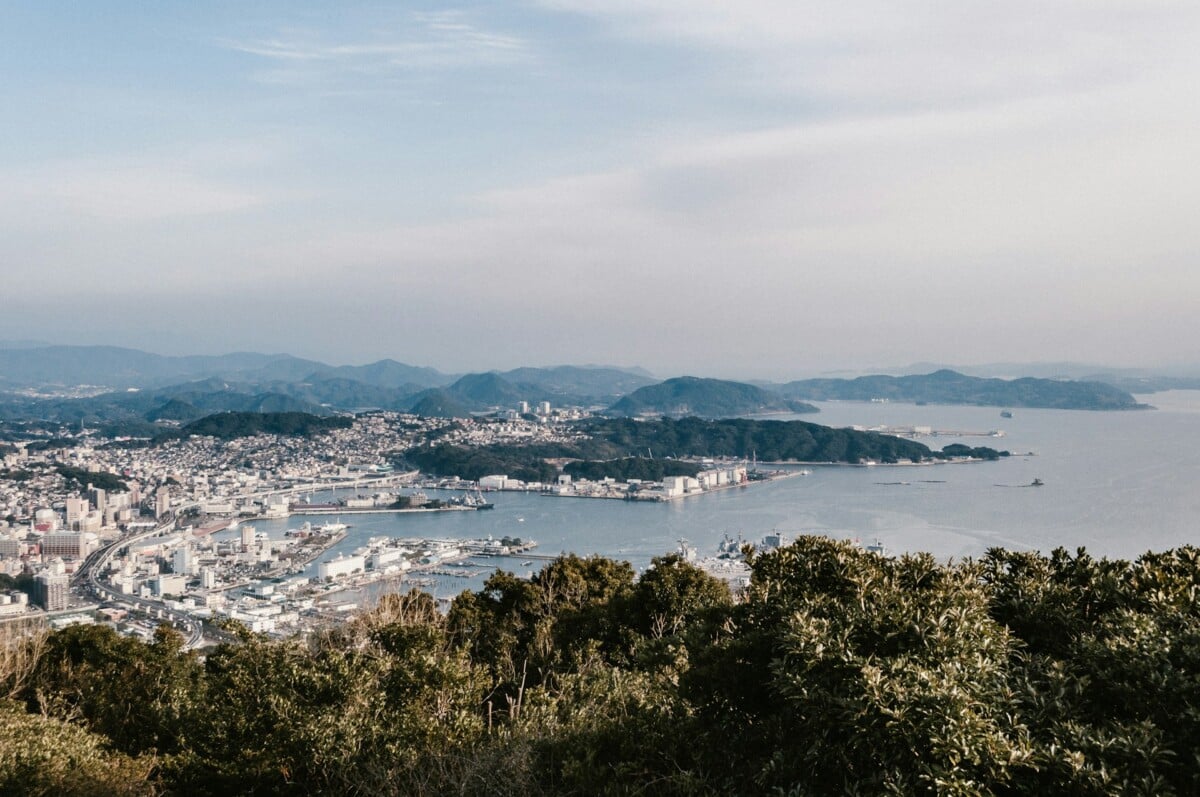
Sasebo, a city in Nagasaki Prefecture, is pushing to revive Japan's casino licensing race. The city's Chamber of Commerce and Industry plans to ask Huis Ten Bosch, a major Netherlands-themed resort operator in the region, to submit a new integrated resort (IR) bid for Nagasaki Prefecture.
Japan opened its integrated casino licensing process years ago, but the rollout has moved slower than anticipated. Only a handful of prefectures have successfully launched operating casinos. Nagasaki Prefecture previously submitted a bid that failed to advance. Now local business leaders believe a fresh application, anchored by an established resort operator like Huis Ten Bosch, offers a stronger path forward.
Huis Ten Bosch operates one of Japan's largest theme parks in Sasebo. The resort draws millions of visitors annually and has the infrastructure, hospitality expertise, and capital to build a world-class integrated resort. Adding a casino would diversify revenue streams and position the property as a destination for both domestic and international high-roller traffic.
Japan's IR framework requires operators to combine gambling facilities with hotels, restaurants, convention spaces, and entertainment venues. Huis Ten Bosch already runs most of these components. A casino addition would leverage existing operations and reduce development risk compared to building from scratch.
The timing matters. Japan's licensing window remains open, but competition intensifies. Osaka, Tokyo, and Yokohama have all pursued IR licenses. Some bids have stalled. Others face local opposition or regulatory delays. Nagasaki Prefecture lost ground in earlier rounds. Sasebo's business community recognizes that without action, the prefecture risks losing a casino license window entirely.
Local officials believe an Huis Ten Bosch bid brings credibility. The operator has proven management capability, tourism magnetism, and balance sheet strength. A partnership between the city, prefecture, and resort operator could submit a compelling proposal that addresses regulatory concerns about problem gambling, revenue sharing, and community benefit.
The IR boom matters for poker. Japan's casinos will host high-stakes games, poker tournaments, and cash games that rival Macau and Singapore. Sasebo, despite being smaller than Tokyo or Osaka, would benefit from international poker traffic. An integrated resort in Nagasaki could anchor a regional gaming corridor that pulls players across Asia.
Huis Ten Bosch has not publicly committed. The resort's leadership must weigh capital investment, regulatory risk, and cannibalizing existing resort revenue. A successful IR bid requires significant upfront spending, typically $1 billion or more. Operators also face strict gaming restrictions, player caps, and revenue-sharing mandates that differ from Las Vegas or Macau models.
Japan's IR landscape remains fragmented. Regulatory approval takes years. Local opposition slows progress. Yet the revenue potential drives competition. A Nagasaki Prefecture license would generate substantial gaming taxes for local government and create thousands of jobs.
Sasebo's push signals that regional Japanese cities see casino gaming as economic development, not vice. The Chamber of Commerce move represents smart timing. If Huis Ten Bosch enters the race, Nagasaki Prefecture's odds improve materially. If the resort declines, the prefecture likely faces another licensing cycle without an IR.