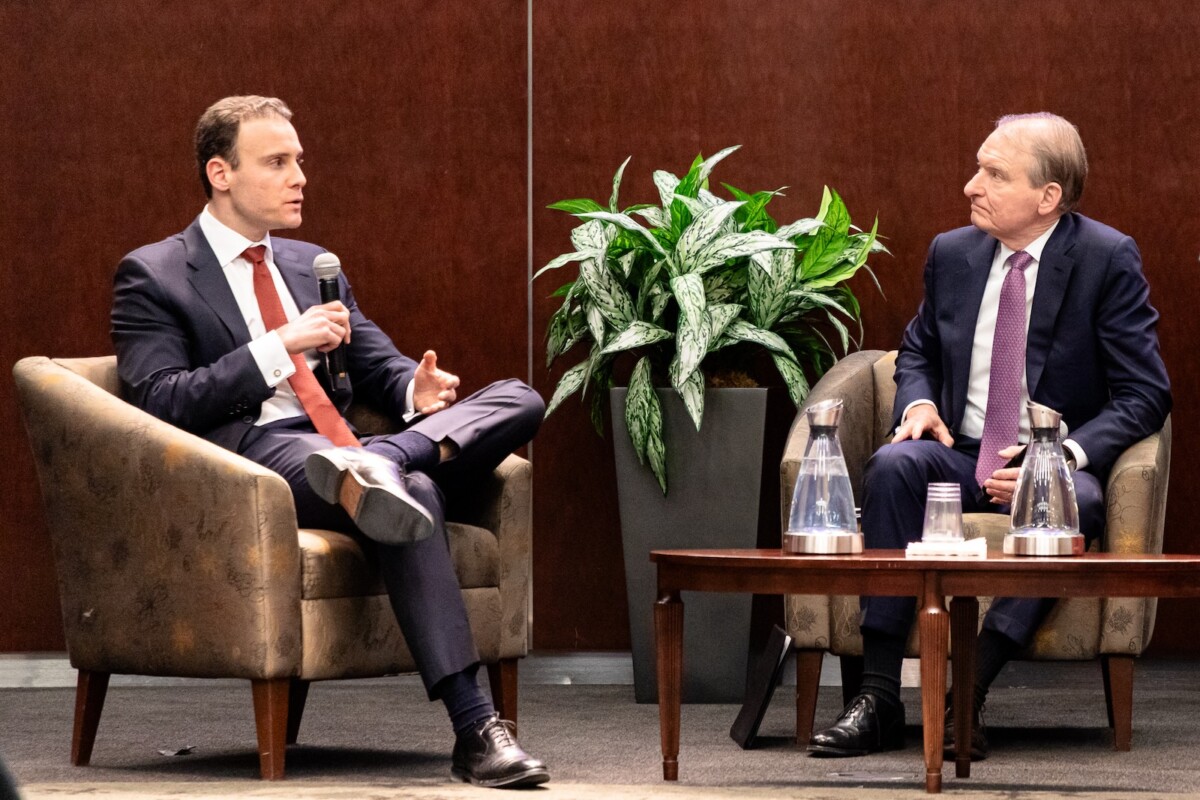
CFTC Chairman Michael Selig faces a credibility problem after dismissing claims about prediction markets trading on US exchanges as "fake news," even as Kalshi, a CFTC-regulated platform, actively offers exactly those markets across the country.
The contradiction emerged during Thursday's Innovation Advisory Committee meeting, where Selig rejected the notion that mention markets tied to President Donald Trump's speeches were being traded on American exchanges. His denial contradicts documented reality. Kalshi operates under CFTC oversight and has been running widespread trading on event-based prediction markets, including those centered on political figures and their public statements.
This disconnect matters because it reveals a fracture between the CFTC's official messaging and its regulatory practice. Kalshi received CFTC approval to trade event contracts, including those tied to political figures and their statements. The exchange has operated openly and legally under that authority. Yet the chair of the regulating agency publicly dismissed evidence of the very activity his own licensee conducts daily.
Prediction markets have exploded in the US over the past two years, driven partly by regulatory clarity from the CFTC. Unlike traditional sports betting or casino gambling, prediction markets operate in a legal gray zone. The CFTC permits certain event contracts through designated contract markets like Kalshi. These markets let traders place bets on specific outcomes, including political events, economic releases, and other real-world occurrences.
The Trump speech prediction markets fall squarely within this framework. Kalshi lists contracts that pay off based on whether Trump mentions specific words or topics during public addresses. These are active, available to US users, and fully legal under current CFTC rules. Trading volumes on such markets have grown steadily as mainstream interest in prediction markets has risen.
Selig's "fake news" characterization raises questions about either his awareness of his agency's own licensees' activities or his willingness to misrepresent them publicly. Neither option reflects well on the CFTC's leadership. A regulator who either doesn't know what regulated entities are doing or actively denies their legal operations undermines trust in the agency itself.
The prediction market space sits at an intersection of growing policy interest. Congress has examined these markets as potential tools for public information aggregation. Some lawmakers view them favorably as mechanisms that harness collective intelligence. Others worry about market manipulation or the concentration of wealth among professional bettors. Meanwhile, the CFTC has been gradually expanding approved contract types under existing authority.
Selig's comments also come amid broader scrutiny of how federal agencies handle emerging financial products. The CFTC approved Kalshi's contracts after determining they served legitimate hedging purposes and met statutory requirements. The agency's decision reflected a regulatory position that these markets provide social value.
The disconnect between what Kalshi legally offers and what the CFTC chair publicly says the agency permits signals confusion or miscommunication at the top. It also creates an opening for critics who question whether prediction markets truly operate under consistent regulatory principles or whether they exist in a zone where rules remain unclear despite official approval.
Going forward, the CFTC should clarify whether its leadership actually supports the regulated activity it has authorized. If prediction markets are legal and operating under CFTC supervision, the agency's top official should not dismiss their existence as fabricated claims.