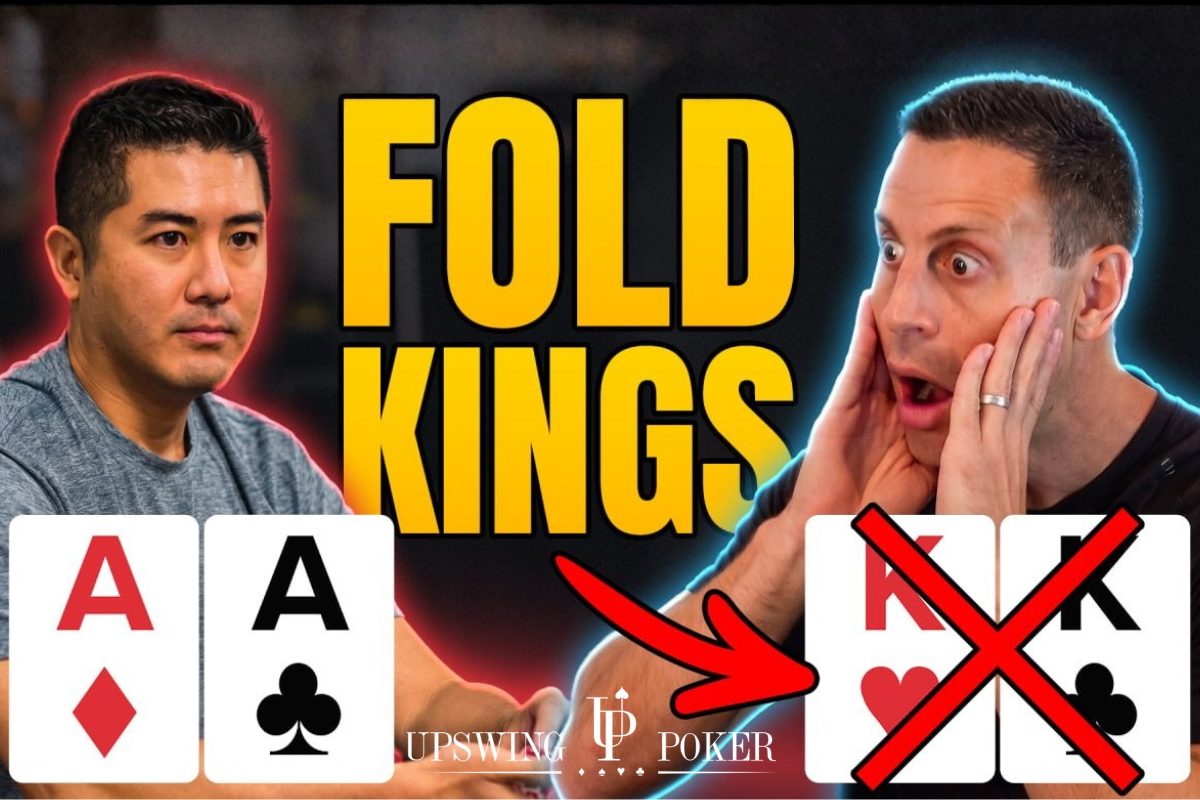
Garrett Adelstein faces a classic high-stakes dilemma in a 500 big blind deep cash game situation. The online poker pro holds Kings, Kh Kc, and finds himself in a 4-bet pot with a 9-high flop that offers no meaningful draw possibilities for his opponent. On the surface, this screams cooler. Most players jam their premium pair in this spot without hesitation and accept the variance that comes with running it down.
But Adelstein's reputation didn't build itself on standard plays in standard spots. The question becomes whether he can navigate the psychological and strategic layers of this hand deeply enough to consider a fold, despite holding one of poker's strongest starting hands.
Stack depth matters enormously here. At 500 big blinds deep, both players have room to maneuver. Ranges widen. Opponent tendencies become readable. A 9-high flop against a 4-bet reraise creates specific action patterns. Adelstein's opponents at these stakes typically 4-bet with premium holdings like Aces, Kings, and sometimes Queens or Ace-King. When they connect with the flop in a 4-bet pot, they're either ahead with a set or behind with an unpaired hand.
The critical variable surfaces when considering what hands actually get to this flop in 4-bet pots at 500bb effective stacks. Adelstein must weigh whether his opponent's play pattern suggests showdown value or hidden strength. If his opponent continues aggressively, does that represent Sets, Overpairs, or air mixed in?
Upswing Poker's analysis examines whether world-class pros like Adelstein can exploit positional and stack depth advantages to make counterintuitive decisions. The hand illustrates how deep stacking transforms poker from a "shove equity" game into one