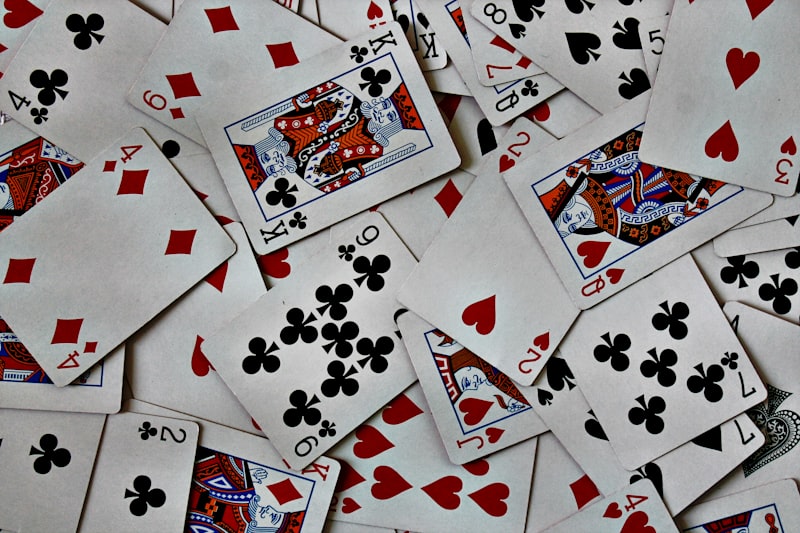
The poker industry loves a good origin story. Self-made millionaire grinds the mid-stakes circuit, learns the game through thousands of hours of live play, and claws his way to the top. We celebrate that narrative relentlessly. It sells books. It fills training courses. It motivates aspiring players.
But here's what we don't talk about enough: the industry is increasingly rewarding players who never needed to grind in the first place.
This isn't reporting. This is observation. Look at who the marketing machine amplifies, who commands sponsorship deals, whose content gets distributed. Too often, it's not the player with the most disciplined bankroll management or the sharpest strategic mind. It's the player with the biggest pre-existing platform, the deepest outside wealth, or the flashiest lifestyle that photos sell.
The evidence is contextual but visible. When we see business profiles of prominent poker figures, the narrative frequently emphasizes their wealth from non-poker sources. Trust funds, business ventures, investments, social media empires. Poker becomes the hobby of the already-wealthy rather than the proving ground for the disciplined. This matters because it distorts what success actually looks like for ordinary players entering the game.
Here's the perverse incentive structure that creates: a young player today might rationally conclude that grinding poker isn't the path to visibility or sponsorship. Building a personal brand through streaming, social media, or lifestyle content is. Buying in deep with outside capital is. Having an existing network of wealthy co-investors is.
The grinder's traditional edge, patience and technical skill developed through repetition, becomes less valuable in an industry that increasingly rewards entertainment value and capital access.
Now, is this entirely new? No. Poker has always had wealthy amateurs. But the speed and scale of how the industry monetizes non-grind narratives has changed. Content distribution, sponsorship structures, and tournament accessibility have all shifted to favor the capital-rich.
Consider what messaging this sends to prospective players concerned about bankroll sufficiency or risk tolerance. If the most celebrated success stories involve people for whom poker was optional, what does that say about the sustainability of poker as a genuine economic opportunity for people without outside wealth?
Some will argue this is just market efficiency. If players with bigger platforms generate more engagement, more buyin fees, and more sponsorship value, why shouldn't they be rewarded? Fair question. Markets reward value creation. But we should be honest about what value we're actually rewarding and what that means for the player population overall.
The concern isn't that wealthy people play poker. It's that the industry's incentive structure increasingly privileges them while the messaging still sells the grind narrative to everyone else. That's a mismatch worth examining.
Professional poker works best when entry is based on skill accessibility and disciplined capital management, not on pre-existing wealth or entertainment credentials. When those conditions shift, the game changes in ways that benefit a narrower slice of the player pool while telling a much wider audience that success is possible for anyone.
It is. But increasingly, only for anyone with the right starting position.