# Scam Syndicates Exploit Malaysian Ghost City to Target Poker and Gaming Players
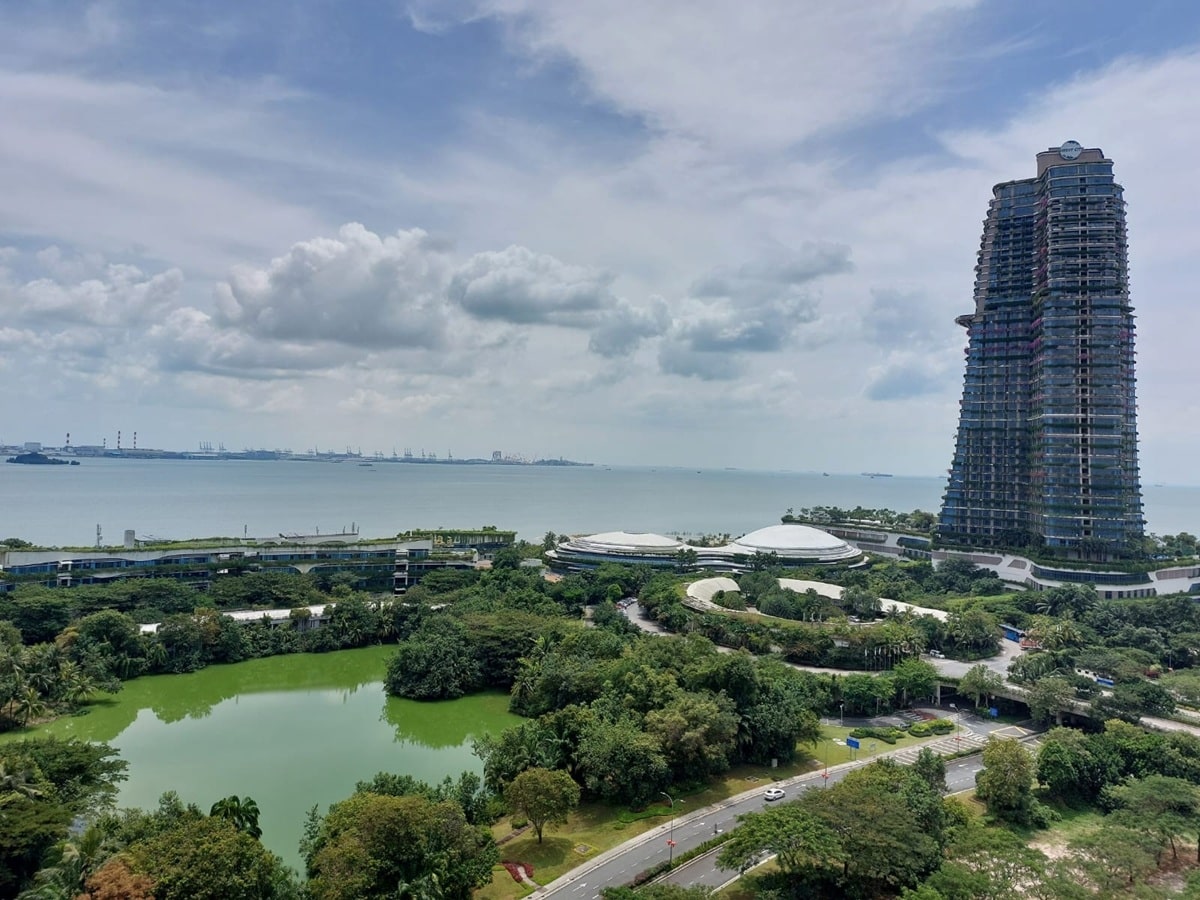
A sprawling Malaysian ghost town has become a haven for organized fraud rings targeting online poker and gaming victims across Southeast Asia. Law enforcement discovered scam syndicates operating from 27 apartments and five bungalows within Johor's $100 billion development project, a city built to house 700,000 residents but currently hosting fewer than 7,000 people.
The ghost city's isolation and minimal population made it an ideal base for call center operations running romance scams, investment fraud, and gaming-related cons. The syndicates used the empty infrastructure to operate with minimal detection risk. Most residential units sat vacant, allowing criminals to move between locations and avoid surveillance. Authorities shut down the operations, but the discovery highlights how scammers exploit geography and infrastructure to target poker players and gaming enthusiasts globally.
These schemes typically involve convincing victims to transfer funds for fake poker tournaments, online betting platforms, or gaming investments. The syndicates employ dozens of operators working multiple shifts, each targeting dozens of victims daily through messaging apps, social media, and dating platforms. Victims lose anywhere from hundreds to hundreds of thousands of dollars before realizing they've been defrauded.
The Malaysian crackdown represents one of the largest busts targeting gaming and poker-related scam operations in the region. Authorities arrested multiple ring leaders and operators. Investigators traced call logs, payment transfers, and device records linking the ghost city operations to victims across Thailand, Singapore, Indonesia, and beyond. The syndicates used cryptocurrency to launder money and hide transaction trails from authorities.
For the poker world specifically, this matters because online poker players represent prime targets. Many play across multiple platforms, have access to disposable income, and regularly move money in and out of accounts. Scammers impersonate poker sites, offer fake tournament invitations, or promise coaching from famous players. They create elaborate false identities with poker credentials, bank accounts in legitimate names, and even fake player profiles.
The ghost city discovery underscores a broader trend. Criminal organizations increasingly target online gambling and poker communities because the victim pool spans multiple continents and the cross-border nature complicates law enforcement response. A player in the Philippines can fall victim to a syndicate operating from Malaysia, with money flowing through multiple countries before reaching the criminals.
Online poker players need stronger vigilance around account security, withdrawal requests, and unsolicited offers from supposed pros or sites. Legitimate poker platforms implement verification protocols, but private games and unregulated sites remain vulnerable. The Malaysian bust demonstrates that scammers operate at industrial scale, not as isolated fraudsters.
Regional authorities plan expanded cooperation to dismantle similar operations. But the real challenge remains identifying victims quickly enough to reverse transfers. Most scam victims report the fraud days or weeks after losing money, by which time syndicates have moved funds through multiple wallets and exchanges.
The poker and gaming industry should expect continued targeting from organized crime. Southeast Asian jurisdictions offer infrastructure, labor costs, and regulatory gaps that make running scam operations viable. Players must verify any investment opportunity, tournament invitation, or coaching offer independently through official channels before sending money.