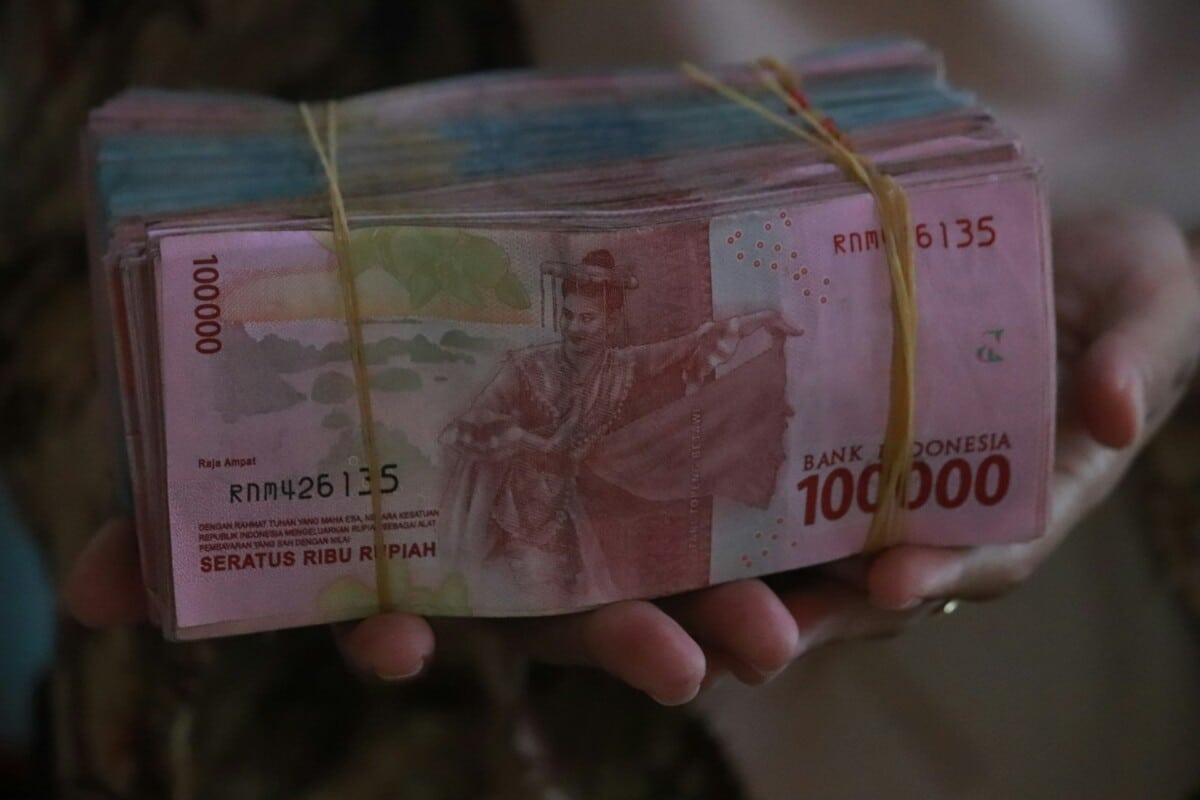
Indonesia's government revealed that illegal gambling networks raked in $57 million during the World Cup despite enforcement efforts, according to the Financial Transaction Reports and Analysis Center (PPATK). The agency documented over 6 million bets placed through underground operations that capitalized on the tournament's global fervor.
PPATK officials stated that online gambling syndicates deliberately exploited World Cup excitement to expand their customer bases and transaction volumes. The sheer scale of activity demonstrates how major sporting events create windows of vulnerability for enforcement agencies battling entrenched illegal betting infrastructure.
Indonesia maintains strict gambling prohibitions rooted in Islamic law, making all forms of wagering illegal except state-sanctioned lotteries. Yet the $57 million figure underscores the gap between law and reality. Unregulated operators run sophisticated platforms accessible via mobile devices, crypto payments, and offshore servers, making them difficult to intercept.
The PPATK's disclosure arrives as governments worldwide grapple with underground sports betting markets. Indonesia's case reflects a broader pattern. Major tournaments like the World Cup generate billions in bets globally, but in prohibition jurisdictions like Indonesia, that entire volume flows through illegal channels rather than regulated operators paying taxes or offering consumer protections.
Enforcement remains reactive. Indonesian authorities conduct raids and prosecute operators, but the decentralized nature of online gambling means new networks emerge faster than agencies can shut them down. The World Cup window came and went with minimal disruption to betting flows.
The $57 million haul raises questions about whether Indonesia could recapture even a fraction of this revenue through legalization and licensing, as some neighboring jurisdictions have pursued. Thailand and Malaysia operate semi-regulated sports betting markets that generate government income while reducing black market activity. Indonesia hasn't signaled movement toward that model, however, keeping the betting underground and ensuring criminals rather than the state benefit from the nation's passion for sports wag