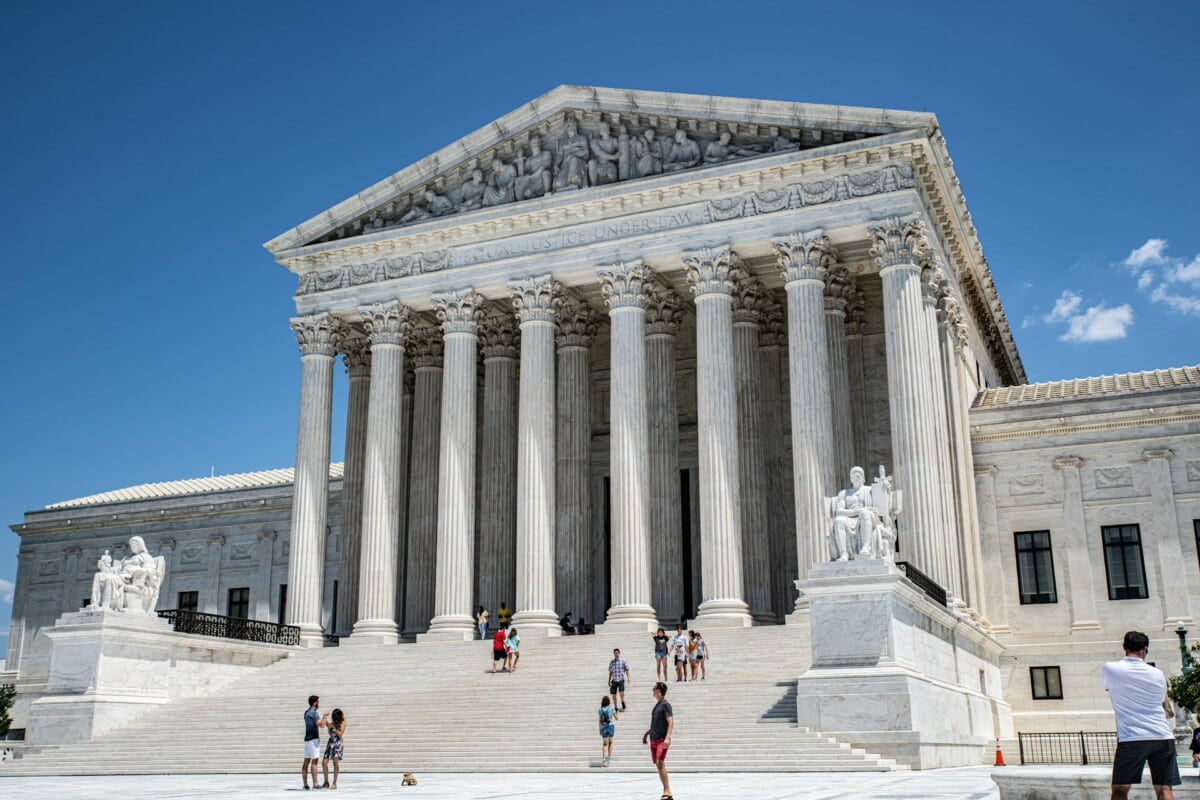
The prediction markets battle escalates to the Supreme Court, with legal experts claiming the CFTC holds structural advantages over state regulators in the looming jurisdictional fight. States have targeted platforms like Kalshi and Polymarket, arguing they operate as unlicensed sports betting operations. The CFTC, meanwhile, asserts regulatory authority over these markets as commodity derivatives under federal law.
Lawyers analyzing the case see the federal agency positioned favorably. The CFTC's existing framework for derivatives markets gives it institutional precedent and statutory authority that states struggle to match. State regulators attempt to invoke sports betting prohibitions, but prediction market platforms distinguish themselves as wagering on event outcomes rather than traditional sports bets. That distinction matters legally. The CFTC has already authorized Kalshi and Polymarket under specific exemptions, effectively blessing their operations at the federal level.
The core issue splits two regulatory philosophies. States claim consumer protection and tax revenue stakes justify their involvement. The CFTC argues federal commodity regulation prevents duplicative state restrictions and maintains uniform national markets. Prior Supreme Court decisions on federalism and commerce clause issues tend to favor unified federal oversight of markets that cross state lines, a factor legal experts believe works against state challengers.
Prediction markets have exploded in popularity, especially around elections and sports events. Kalshi and Polymarket now handle billions in trading volume. Their legitimacy hinges entirely on this jurisdictional fight. If states prevail, platforms face shutdown orders or forced licensing across fifty jurisdictions. That outcome seems unlikely based on legal consensus, though not impossible.
The Supreme Court docket adds this case amid broader debates over regulatory authority in emerging markets. Crypto, AI trading, and other technology-driven finance sectors watch closely. Whoever controls prediction markets sets a template for federal versus state power over new financial instruments.
Oral arguments remain unscheduled,