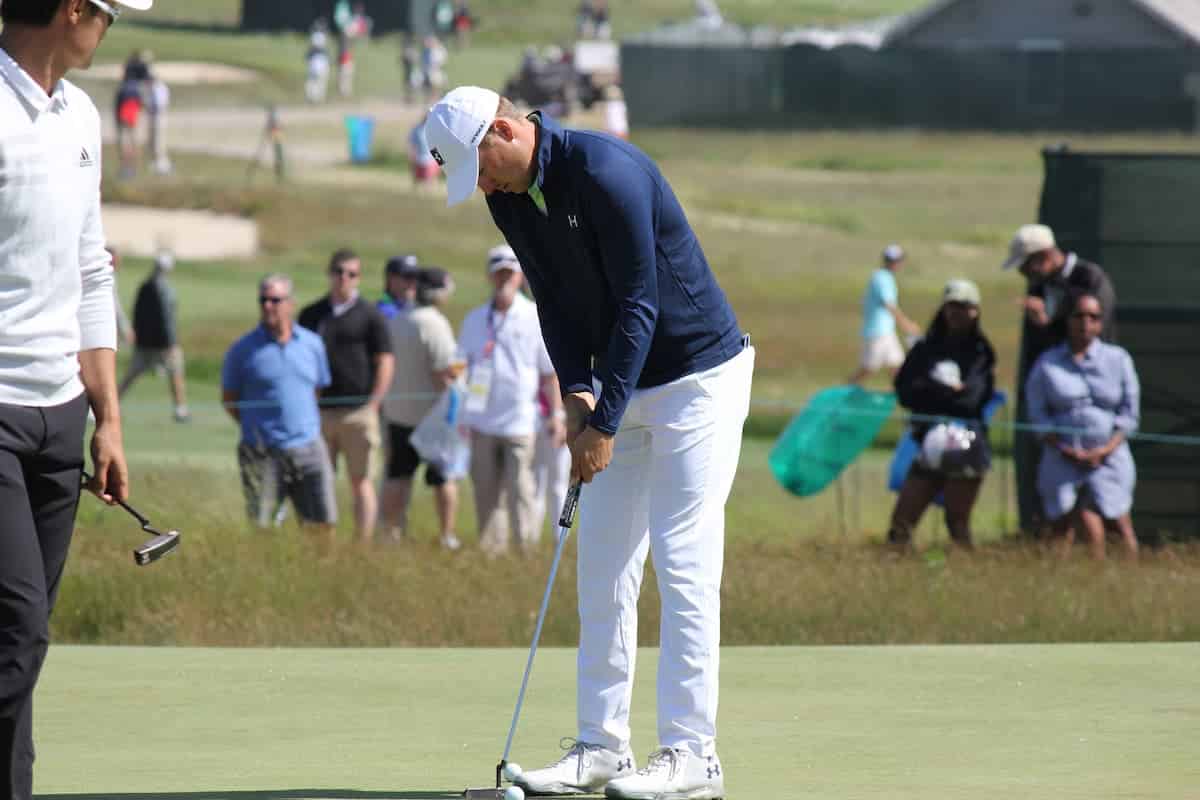
Jordan Spieth raised concerns about betting's negative impact on fan behavior at PGA Tour events during his presser at the John Deere Classic in Illinois. The professional golfer highlighted how sports wagering has triggered increasingly unruly spectator conduct on the course.
Spieth's comments landed him in a familiar trap. Critics quickly pointed out the apparent contradiction. FanDuel pays Spieth as an ambassador, making his criticism of betting's dark side seem self-serving or hypocritical. Social media pounced on the conflict of interest.
But the criticism misses the mark. Spieth has every right to acknowledge betting's downsides while accepting sponsorship money from a sportsbook. The two positions aren't mutually exclusive. He can benefit financially from the industry while recognizing real harms it creates. This is standard practice across nearly every controversial business sector. Tobacco executives can admit health risks. Fast food CEOs can acknowledge obesity concerns. Alcohol brand ambassadors can support drunk driving prevention.
The PGA Tour itself endorses partnerships with major sportsbooks despite hosting events where betting activity directly influences fan conduct. Players regularly sign sponsorship deals with companies whose products they might privately criticize. That's professional sports in 2024.
What matters is whether Spieth's observation about fan behavior holds water. Reports from tour events have documented increased heckling, aggressive betting-related outbursts, and toxic atmospheres at competitions. These aren't fabricated concerns. Spieth identified a legitimate problem.
His willingness to speak publicly about it, even while under contract with FanDuel, suggests a player willing to bite the hand that feeds him when necessary. That takes more integrity than staying silent for a paycheck.
The real conversation should focus on how the tour manages betting-fueled fan behavior, not whether Spieth forfeited his right to discuss the issue.