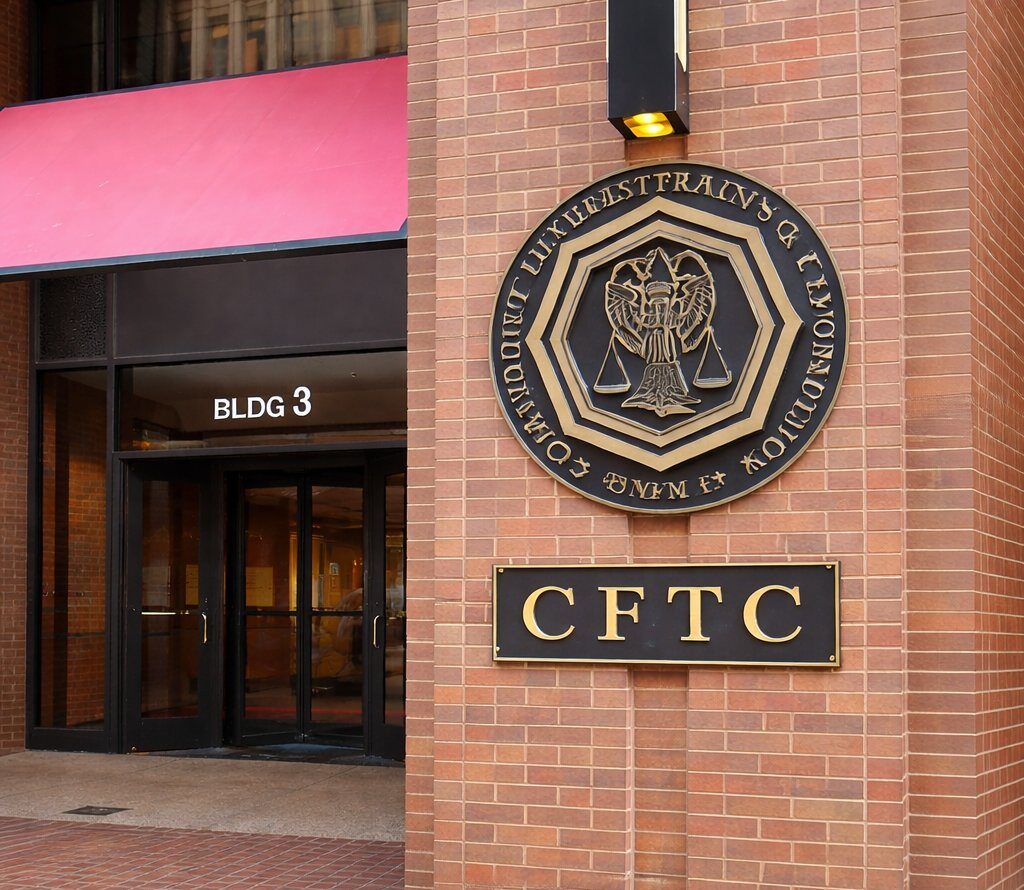
The Commodity Futures Trading Commission filed suit against Minnesota over legislation that bans prediction markets, claiming the state law undermines federal authority and harms agricultural interests. Governor Tim Walz signed SF4511, which prohibits wagering on sports, elections, wars, weather, and other events through prediction market platforms.
The CFTC argues Minnesota overstepped its jurisdiction. Prediction markets serve legitimate economic functions beyond gambling. Farmers use weather derivatives and commodity futures to hedge risk. Restricting these instruments could force agricultural producers to rely solely on traditional futures exchanges, limiting their options for price discovery and risk management.
Minnesota joins other states pushing back against prediction market expansion, but federal regulators see these platforms as tools for gathering real-time information on uncertain outcomes. The CFTC positions prediction markets as distinct from sports betting or casino gambling. They function as information aggregators and risk-transfer mechanisms.
The lawsuit centers on preemption doctrine. Federal law governs commodity trading and futures contracts through the CFTC. States cannot simply ban instruments that fall under federal regulatory jurisdiction, the commission argues. Minnesota's blanket prohibition threatens to conflict with interstate commerce and existing federal frameworks.
The case highlights a growing tension in U.S. gambling and trading regulation. As prediction markets gain popularity among retail traders, states and federal regulators clash over who controls them. Some states view prediction markets as unregulated gambling schemes. The CFTC sees them as market infrastructure.
Minnesota's approach differs from most states. Rather than creating narrow exceptions or licensing frameworks, SF4511 opts for outright prohibition. This aggressive stance drew federal challenge.
The outcome matters for prediction market platforms operating nationwide. A Minnesota victory strengthens state authority to regulate or ban these products. A CFTC victory reaffirms federal dominance and potentially shields prediction markets from state-level restrictions based on gambling classifications.
The case proceeds as prediction