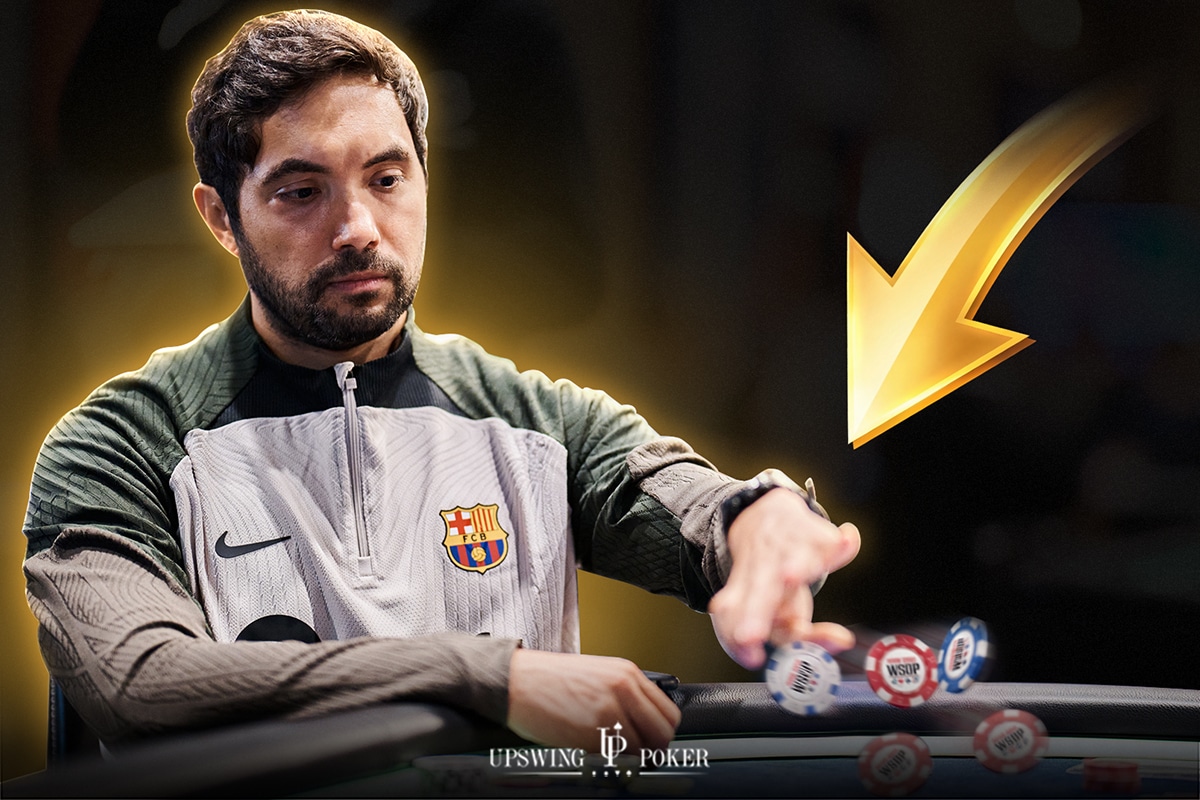
Timothy Adams breaks down big blind aggression in Upswing Poker's Modern Tournament Mastery course, exposing a gap most tournament players leave on the table. The course, co-created with Daniel Dvoress, features Adams diving deep into practical spots where big blind play separates winners from the field.
Adams focuses on check-raising as an underused weapon from the big blind in multi-table tournaments. Most players play passively from this position, calling too often and failing to leverage the positional advantage of acting last preflop. The big blind holds the strongest range by definition. When opponents open from early or middle position, the big blind can exploit weak continuation bets with aggressive check-raises on favorable flops.
The strategic edge comes from understanding which flops favor the big blind's range. Adams walks through specific board textures, hand combinations, and opponent tendencies that make check-raising profitable. He examines when to apply pressure and when to let hands play through. The video format lets Adams show real hand examples rather than theory alone.
This teaching approach mirrors how top tournament professionals actually study the game. Rather than broad principles, Adams grounds strategy in specific situations. He identifies which check-raise sizes work against different opponent types, how to balance value and bluffs, and when the big blind should take a more cautious line.
Most tournament players miss this because big blind play gets less attention than button or cutoff strategies. Position dictates aggression frequency in modern poker, but preflop position differs from postflop position. The big blind acts first preflop yet last postflop. This creates unique opportunities for aggressive play that standard game theory doesn't always highlight in beginner materials.
Dvoress and Adams built Modern Tournament Mastery to bridge this gap. By having Adams teach specific positions and situations, students learn how elite players actually think through problem spots. The big blind content represents the