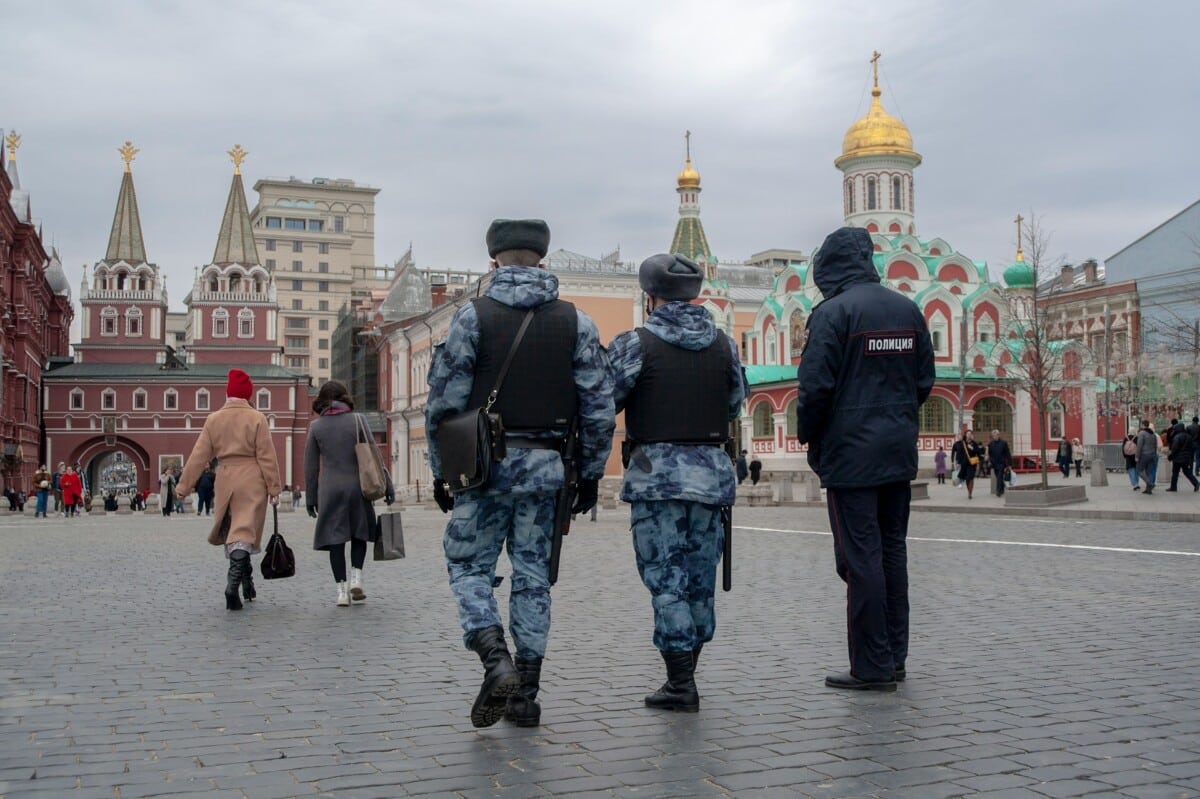
Russian law enforcement's corruption problem reached the courts this week when prosecutors charged a Samara police deputy with accepting $29,000 in bribes from underground casino operators. The Samara District Court ordered the suspect, identified only as Korkin, held in custody until July 4 pending a hearing.
Korkin served as deputy head of a local police division tasked with enforcing gambling laws. Instead, he allegedly shook down illegal casino operators for protection money. The arrangement allowed the underground gambling dens to operate without police interference while Korkin pocketed cash directly from the house.
This case exposes a persistent weakness in Russian gambling enforcement. Moscow maintains strict legal restrictions on casino gaming, licensing only a handful of authorized gambling zones outside major population centers. The ban creates a massive underground market where operators rely on corrupt officials to avoid raids and prosecution.
Illegal casinos thrive in cities like Samara because enforcement depends on individual police officers' integrity. When someone like Korkin controls a precinct, operators face a choice: pay the cop or face shutdown. The protection racket becomes cheaper than licensing fees in legal jurisdictions.
The prosecution's move suggests someone up the chain wanted accountability. Whether that reflects a genuine anti-corruption push or internal power politics remains unclear. Russian law enforcement corruption cases often resolve quietly once the public attention fades.
For poker players and casino operators in Russia, this arrests signals renewed scrutiny of underground gambling operations. Korkin's detention could disrupt established protection arrangements across Samara, forcing operators to relocate or rebuild their networks with new officials. The immediate consequence: increased uncertainty for anyone running illegal games in the region.
This reflects Russia's larger struggle with organized crime and police corruption. Until Moscow legalizes casino gambling more broadly or dramatically improves law enforcement standards, corrupt cops will continue extracting tribute from desperate operators. The system perpetuates itself because both sides profit