Melinda Roth, a business and financial law professor at Washington and Lee University, endorses CFTC oversight of prediction markets following Kalshi's landmark approval to offer election betting products. Roth's track record on sports betting policy gives her credibility on this regulatory call.
Kalshi's victory in securing the right to operate election markets signals a turning point for prediction market expansion in the U.S. Roth anticipated exactly this trajectory, noting the company would move into sports markets next. She argued the Commodity Futures Trading Commission represents the appropriate regulatory home for these products rather than other potential overseers.
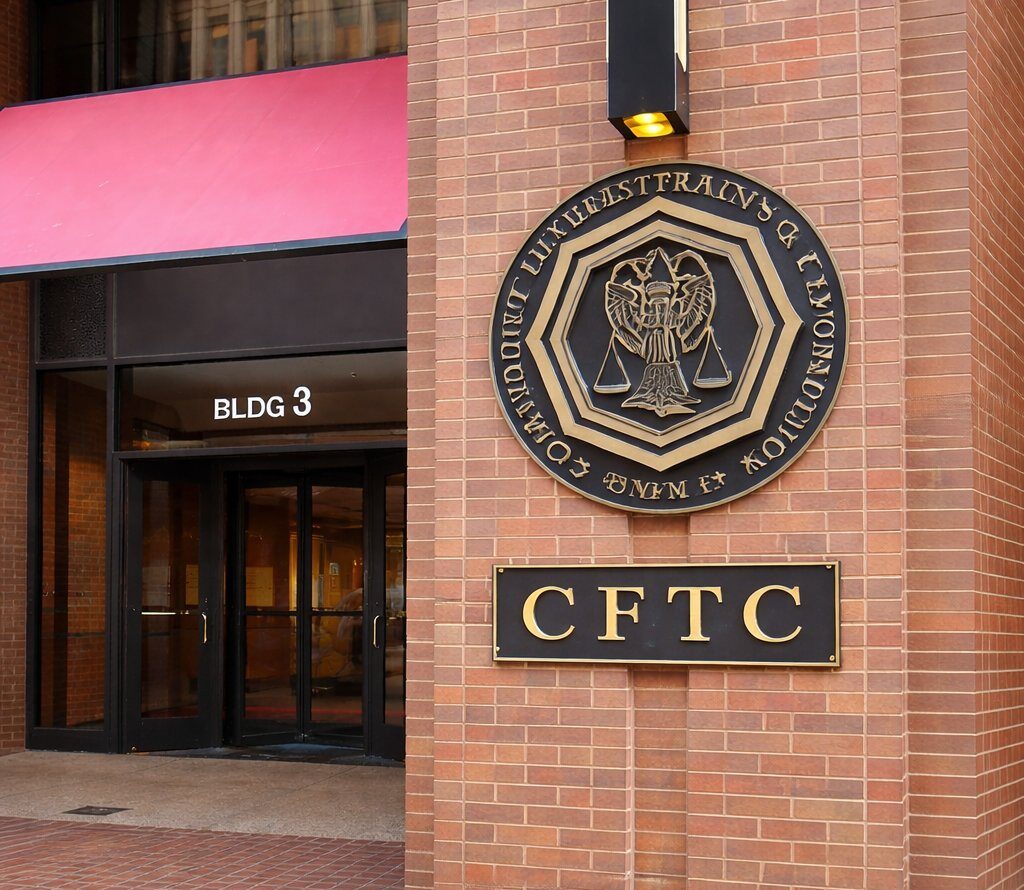
The CFTC already governs futures contracts and derivatives. Prediction markets operate similarly to futures products, creating a natural regulatory fit under the commission's existing framework. This approach avoids turf battles between the SEC, state gaming commissions, and other agencies that could fragment oversight and create compliance gaps.
Kalshi's success removes a major legal hurdle that previously blocked prediction markets from operating in the U.S. Regulators blocked similar platforms for years, citing concerns about gambling and market manipulation. The company's court victories established that prediction markets serve legitimate price discovery functions, comparable to commodity futures rather than pure gambling.
The timing matters. With election markets now operational and legal precedent established, Roth sees sports predictions as the logical next frontier. Kalshi already positions itself to move in that direction, and regulatory clarity through the CFTC would accelerate that expansion. The commission has shown greater openness to these products than the SEC or state authorities.
Roth's academic perspective carries weight in policy circles. Her previous papers on sports betting positioned her as someone who understands both gambling regulation and the distinct mechanics of prediction markets. Her endorsement of CFTC jurisdiction provides intellectual ammunition for regulators and industry players pushing for streamlined oversight.
The broader implication: